Writing · Practical AI
The best prompt makes the AI ask the questions
Generic output usually is not the model failing. It is the model guessing at everything you did not tell it. The fix is to make it interview you first.
Ricky Bell · 1 September 2026 · 4 min read
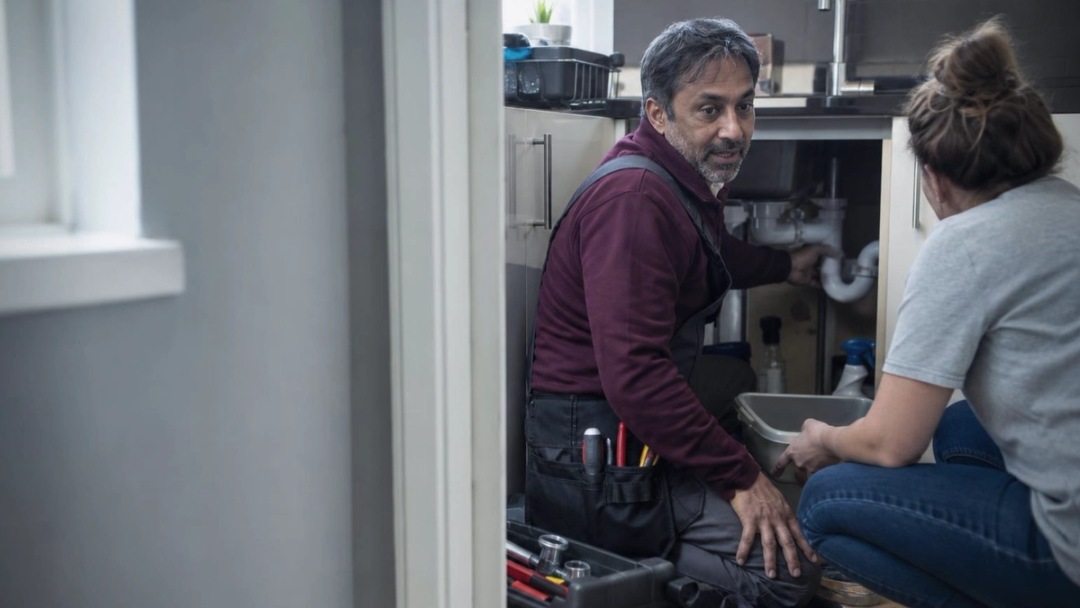
You typed three sentences, pressed enter, and got back something that reads like every brochure you have ever thrown away. So you concluded the technology is overrated.
I would gently push back. That is not the model failing. That is the model guessing — and when a model has to guess, it reaches for the most average answer available, because average is the safest bet with nothing to go on. Vague question, average answer. It is behaving exactly as designed.
The problem is that the context is in your head
You know the customer who complained last month. You know your margin on that job is thinner than it looks. You know the phrase your competitor overuses that you would rather die than repeat. You know that the real reason you want this written is a conversation you had on Tuesday. None of that is on the page. All of it is what makes the difference between generic and yours.
The fix — and again, credit where it is due, this is a technique Allie K Miller writes about — is to turn the interaction around. Do not brief it. Make it interview you.
The instruction, roughly
Tell it what you want. Then tell it not to write anything yet. Ask it to interview you first: about five questions, one at a time, waiting for each answer before the next. Tell it to skip the obvious ones and follow up wherever your answer opens a gap or contradicts something you said earlier. Ask it to dig for the real goal underneath the stated goal, your genuine constraints, and what a good outcome would actually look like. Then have it play back what it understood and propose a plan — and only write once you have said yes.
That is it. No special software, no clever formatting, no course to buy. It works in any chat window you already have open.
Why it works, three ways
Firstly, it pulls out the facts that exist nowhere but your head — the constraint nobody documented, the customer you must not upset. Secondly, the questions clarify your own thinking; I have abandoned tasks halfway through an interview because question three made it obvious the job was not worth doing. Thirdly, and most practically, you end up correcting a plan rather than a draft. Changing a plan takes ten seconds. Rewriting fifteen hundred words someone else got subtly wrong takes an hour and a bad mood.
A worked example
A joiner wants a page about kitchen fitting. Briefed in three sentences, he gets a page about craftsmanship and attention to detail, which is what every joiner in Britain already has. Interviewed properly, question two surfaces that he only takes jobs within twenty miles, question four surfaces that his best customers are landlords rather than homeowners, and question five surfaces that he loses most quotes on lead time rather than price. That is a different page entirely. Same model, same five minutes.
Overall: the quality of what you get out is set by how much you were willing to be asked. That is true of AI, and it was true of every good supplier you have ever worked with. It is also why our free audit gathers evidence about your business before it says a single thing about it.
Frequently asked
Why is AI output so generic?
Because you gave it a general question. A model fills every gap you leave with the most statistically ordinary answer available. Your constraints, your customers, your prices and the thing that went wrong last time all live in your head, and it cannot read them.
How do I get AI to ask me questions first?
Tell it to. State the task, then instruct it to ask you about five high-value questions one at a time, waiting for each answer, skipping the obvious ones, and playing back its understanding with a plan before writing anything. The instruction is that simple, and it changes the output entirely.
How long does the interview approach take?
Two or three minutes of answering questions. It usually saves considerably more than that on the rewrite, because you are correcting a plan rather than a finished draft — and now and then the questions convince you the task was not worth doing at all.